Why Voids Matter and How Vacuum Reflow Controls Them
Voids raise the die operating temperature by blocking efficient heat transfer through the thermal interface material (TIM). They typically form from surface oxides, trapped gas, and poor wetting.
Palomar vacuum reflow systems address each cause by precisely controlling vacuum levels, positive pressure, and thermal profiles. Drawing a vacuum and then applying positive pressure during reflow helps remove gas trapped in the joint before the solder solidifies.
Atmosphere and Thermal Control in Place of Flux
With no flux to clean the bonding surfaces, the furnace atmosphere has to do that work. Nitrogen keeps the environment inert so new metal oxides don't form, and a low percentage of hydrogen removes the oxides already present.
Custom temperature profiles tailored to each application, with specific ramp rates and temperatures, are key to the best bond. The eutectic solder is typically predeposited onto the die or substrate or supplied as a thin preform. For example, AuSn reflows at 280°C.
Resources for Fluxless Eutectic Solder Attach
SST 5100 Vacuum Pressure Furnace
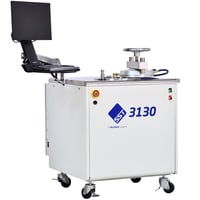
SST 3130 Vacuum Pressure Furnace
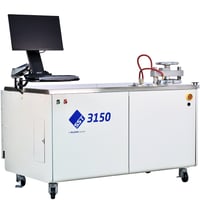
SST 3150 High Vacuum Furnace
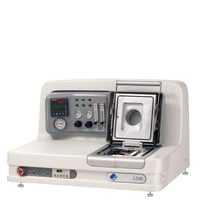
SST 1200 Table Top Furnace
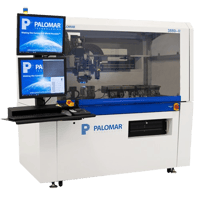
3880-II Die Bonder
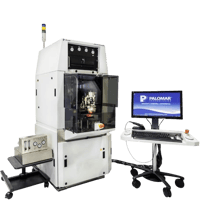
6500 Die Bonder