How Pressureless Silver Sintering Works
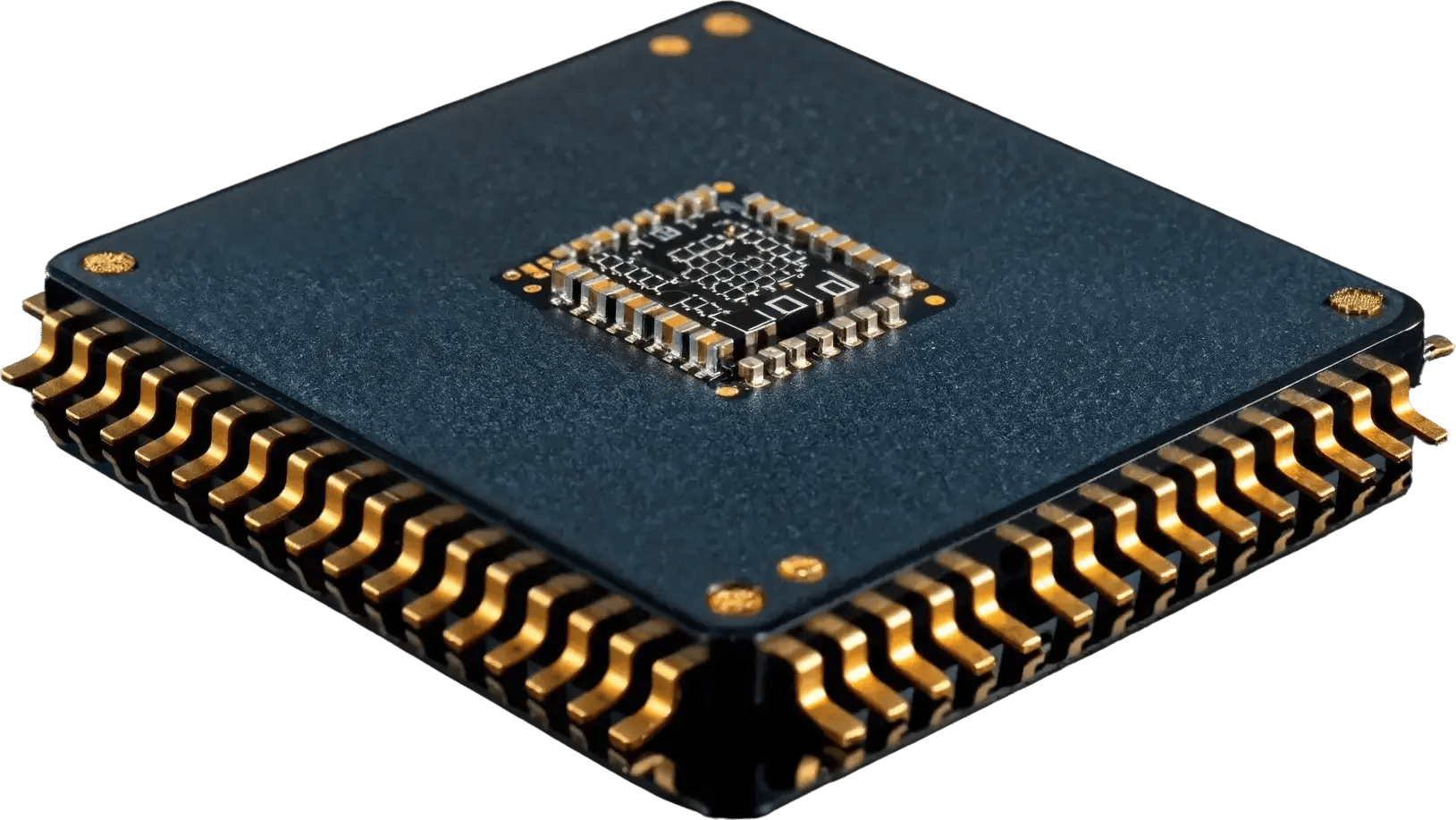
Silver sintering once relied on high pressure or force to complete the bond, but pressureless silver sintering has emerged as a practical alternative. It relies on the unique formulation of the sintering material to form a bond on par with the thermal and electrical conductivity of solder, without flux or high temperatures. Because the paste never liquefies, voiding is much less of a concern than with soldering processes.
Silver sintered paste also retains a key benefit of epoxy attach: it holds the component in place during handling, which increases the total throughput of the process.
Precise Bond Line Control From Placement to Sintering
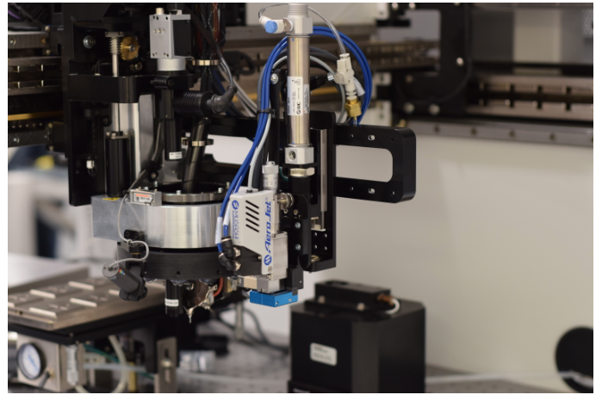
The main challenge with silver sintered paste is its strict bond line thickness requirement. The bond line must be controlled to a high degree of precision.
Palomar die bonders include a dedicated feature for establishing tightly controlled bond lines. Specially designed tooling plates help control the bond line in Palomar vacuum reflow systems.
Resources for Silver Sintering Die Bonding
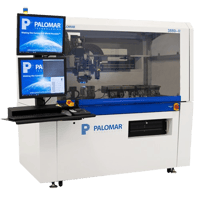
3880-II Die Bonder
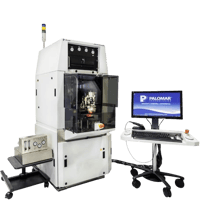
6500 Die Bonder
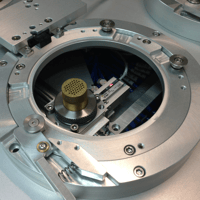
Wafer Die Ejection Systems
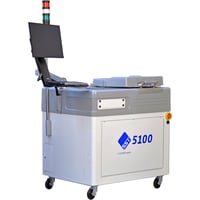
SST 5100 Vacuum Pressure Furnace
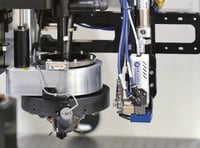
Energy and Eco-Sustainability using Pressure-less Silver Sintering for RF Power Electronics