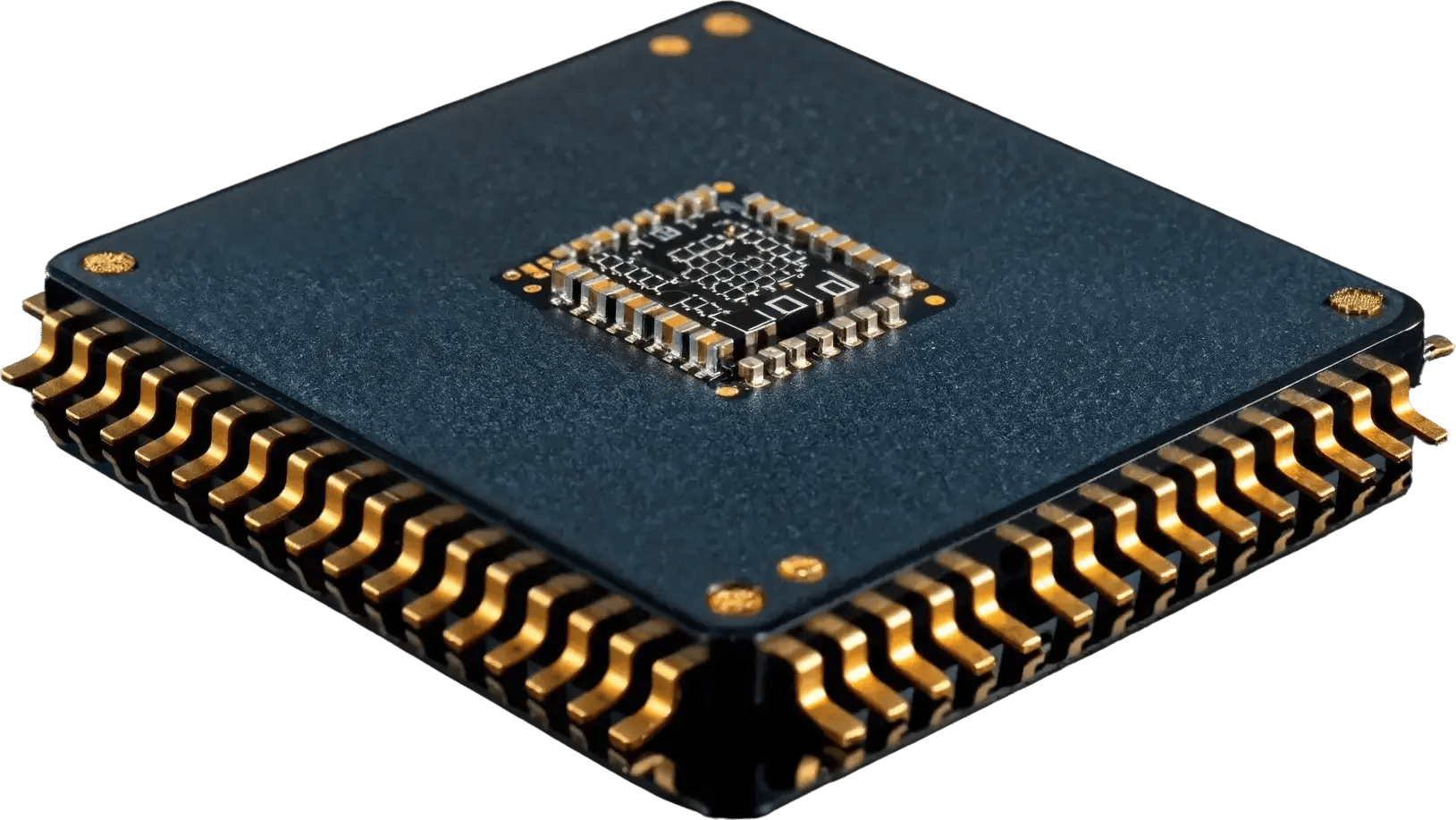
What a Reliable Hermetic Seal Requires
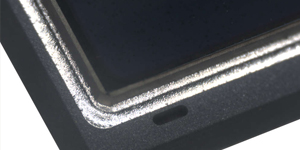
A hermetic seal must have zero breaks. In practice, that means extremely low voiding, with no single void or collection of voids larger than the seal width anywhere in the seal. Component placement matters too: any placement offset reduces overall seal volume and seal integrity, raising the risk of hermetic seal failure.
Tooling is just as important. Precision-manufactured fixtures hold the components in their designated locations during sealing, while free-floating weights apply constant pressure to the seal area, helping ensure a hermetic interface between the lid and the package.
Preventing Voids and Oxides in Hermetic Package Sealing
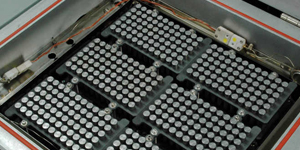
Purpose-built thermal profiles use positive inert gas pressure to minimize voids in the finished seal. Oxygen is repeatedly pumped out of the system, then backfilled with dry inert gas, to prevent oxide formation.
Voids often come from gas trapped during package and component fabrication. Pressure variation during the sealing cycle helps reduce these voids, and Palomar vacuum reflow systems combine it with precise thermal and atmosphere control to create robust hermetic seals.
Resources for Hermetic Package Sealing
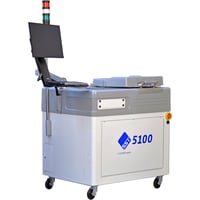
SST 5100 Vacuum Pressure Furnace
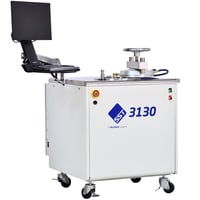
SST 3130 Vacuum Pressure Furnace
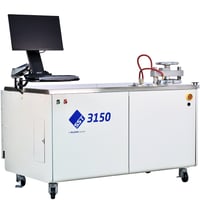
SST 3150 High Vacuum Furnace
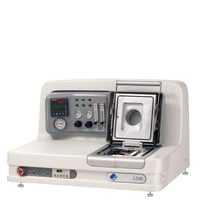
SST 1200 Table Top Furnace