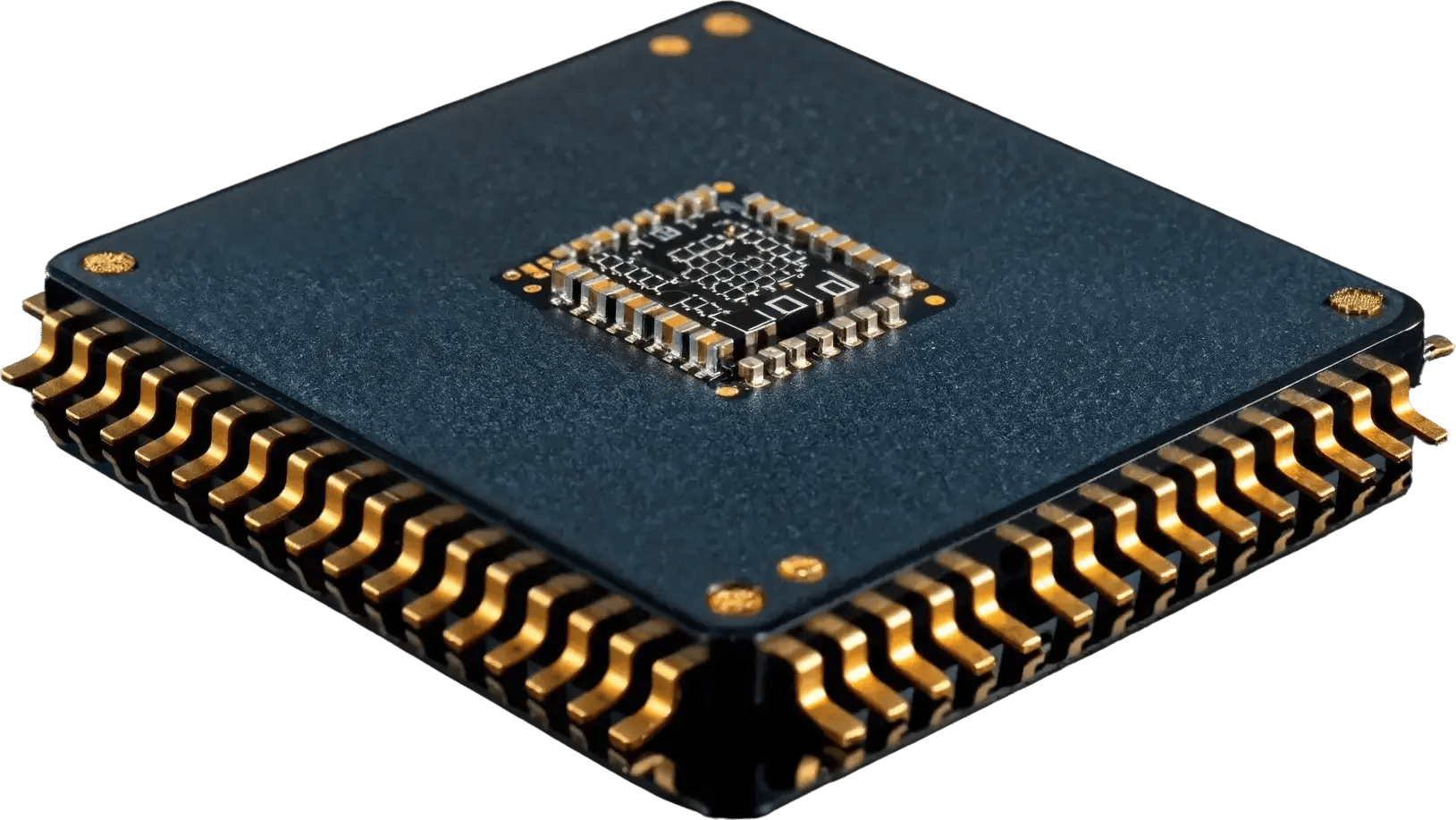

Compression Seals vs Matched Seals
Compression Seals: Strength From Thermal Mismatch
A compression seal forms when the metal and glass have different coefficients of thermal expansion (CTE). As the assembly cools, the metal contracts more than the glass and holds it in compression. Because glass can withstand high compressive forces, the resulting seal is very strong.
Matched Seals: Strength From the Chemical Bond
A matched seal uses glass and metal with the same CTE, so no compressive force is created. Instead, the seal's strength comes entirely from the chemical bond that forms between the glass and the metal oxide during heating.
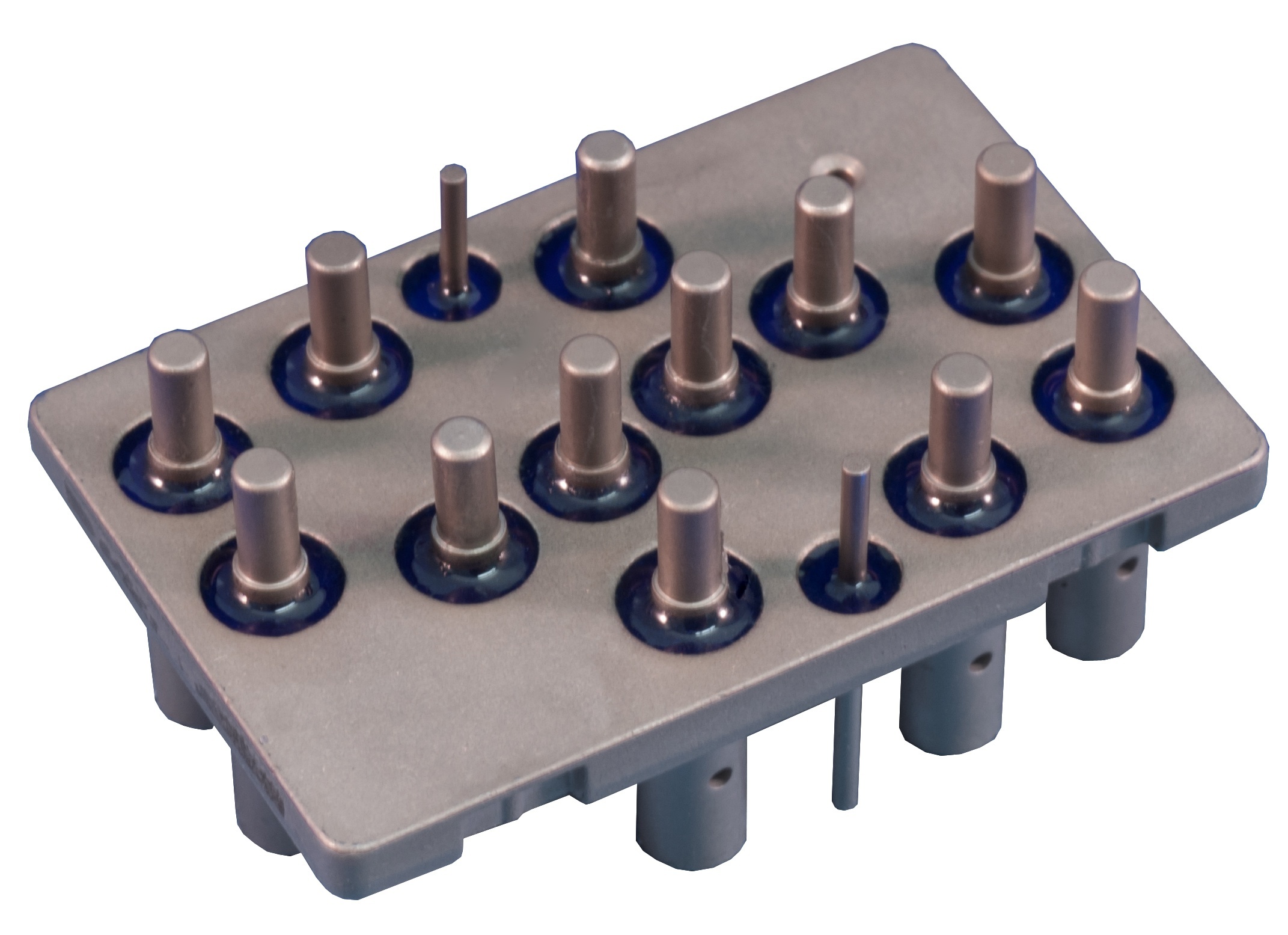
Precise Thermal and Oxide Control for Both Seal Types
Because the seal type depends on the materials in the package, a sealing system needs the flexibility to handle both. Matched seals depend on careful control of surface oxides, and both types require accurately executed sealing and annealing profiles at temperatures as high as 1,000°C.
The 3130 Vacuum Pressure Furnace supports glass-to-metal sealing with the thermal range and process control these seals require.
Resources for Glass to Metal Sealing
SST 3130 Vacuum Pressure Furnace

Glass to Metal Sealing