How Thermocompression Bonding Works
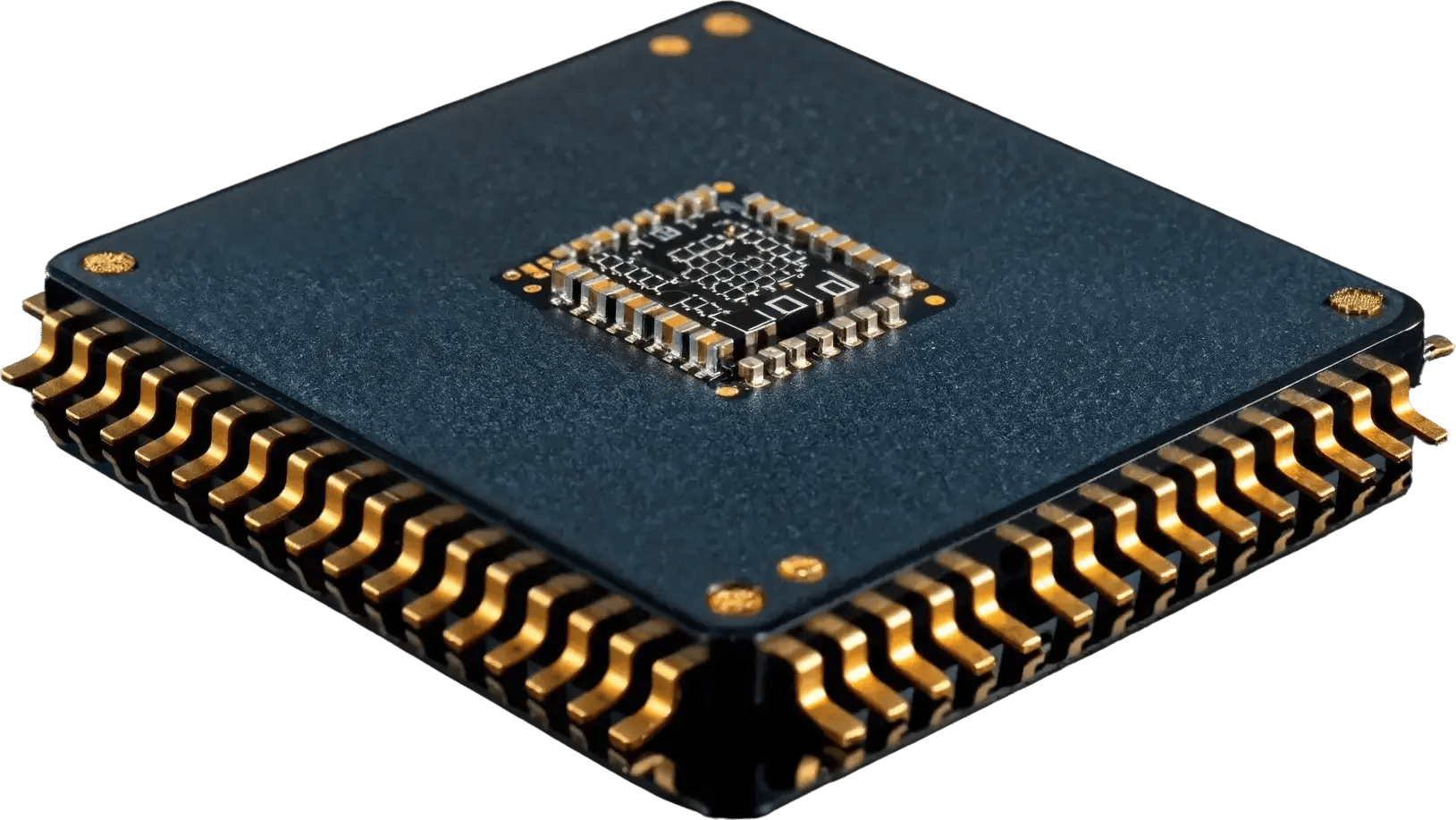
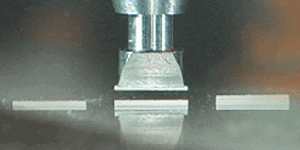
Thermocompression is used regularly in flip-chip applications, where bumps on the surface of a chip are bonded to a substrate with corresponding pads. The contact points, usually metallic bumps, are forced against their opposing pads to form a bond, and a second metallic bond forms where the bump contacts the package metallization.
This technique typically requires temperatures as high as 350–400°C and forces of as much as 100 g per bump. Because the die is subjected to high force and temperature, dies that are thinner, brittle, or intolerant of high heat may not be suitable for this method.
Why Thermocompression Produces Clean Bonds
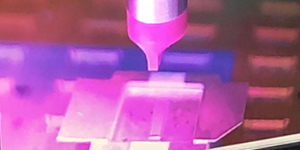
The key benefit of thermocompression bonding is that bonds are free of any flux or lead, resulting in "clean" bonds. The process also produces highly thermally conductive, electrically conductive, and structurally sound bonds.
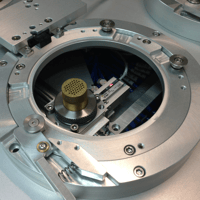
The Palomar 3880-II Die Bonder offers several options for reaching the temperature and force required for thermocompression bonding applications.
Resources for Thermocompression Die Bonding
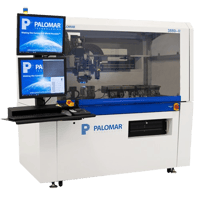
3880-II Die Bonder
Wafer Die Ejection Systems